
Last updated July 2026 · 15 min read · Based on official SAAMI storage guidance
Learning how to store ammunition correctly is the cheapest upgrade you will ever make to your shooting. Ammunition that is properly stored stays reliable for decades. Ammunition that is badly stored can fail in a single summer — and it will fail silently, without ever looking damaged. This guide shows you exactly how to store ammunition so every round you own fires when you need it.
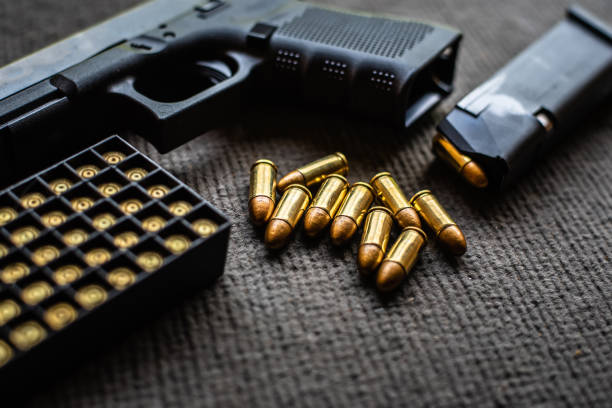
How to Store Ammunition: The Quick Answer
Store ammunition in a cool, dry place between 55°F and 85°F, at 50% relative humidity or lower, away from solvents, chemicals, heat sources and direct sunlight. Keep rounds in their original boxes inside a sealed, gasketed ammo can with a desiccant pack. Store ammunition separately from firearms and out of reach of unauthorized users.
That is the complete answer. Everything below explains why each part matters, what actually destroys ammunition, and how to build a system that protects every round you buy.
Key Takeaways
- Time is not the enemy. Conditions are. Store ammunition properly and it stays reliable for decades.
- Moisture is the number one killer — not heat, not age. Water reaches the primer and powder and causes failures to fire.
- Target 55–85°F and under 50% humidity. Never store ammunition where temperatures approach 150°F.
- Temperature swings are worse than steady warmth. A garage that cycles 40°F a day condenses water onto your brass 365 times a year.
- Original box, inside a sealed ammo can, with a desiccant. That is the entire system.
- Store ammunition separately from firearms and inaccessible to children. This is explicit SAAMI guidance.
- Knowing how to store ammunition is what makes bulk buying intelligent. Solve storage once and you permanently change your cost per round.
Why You Need to Store Ammunition Properly
Most shooters treat this as a solved problem. Throw the boxes in a closet, shut the door, done.
For a couple hundred rounds you will shoot next month, that is fine. Modern factory ammunition is tougher than internet forums suggest.
But three things change the math.
First: money. A serious shooter’s ammunition inventory is often worth more than the rifle it feeds. If you buy in bulk — and bulk is the only rational way to buy in a market that keeps having shortages — you are storing a four-figure asset in a cardboard box.
Second: reliability when it counts. A misfire at the range is an annoyance. A misfire on a hunt is a lost season. A misfire in a defensive encounter is unacceptable. How you store ammunition is the only variable in that chain you fully control.
Third: safety. Ammunition is not the explosive hazard movies suggest, but it deserves the same discipline as every other part of firearms ownership — especially around children and heat sources.
Here is the reframe that changes everything. Storage is not a chore that follows a purchase. Storage is what makes the purchase strategic. Once you can confidently store ammunition for ten-plus years, you stop buying 20-round boxes at panic prices and start buying real quantities when the price is right. That is precisely why our customers buy bulk rifle ammo by the case instead of a box at a time.
What Actually Fails Inside a Cartridge
You cannot protect ammunition without understanding what you are protecting. A modern centerfire cartridge has four components, and each fails differently.
| Component | What It Does | Primary Threat | What Failure Looks Like |
|---|---|---|---|
| Primer | Ignites the powder charge | Moisture, oil, solvents | Failure to fire, hangfire, click-no-bang |
| Powder | Burns to generate pressure | Moisture, sustained heat, chemicals | Squib load, weak report, unburned powder |
| Case | Contains everything, seals the chamber | Humidity, corrosion | Green corrosion, hard chambering, weak walls |
| Bullet | Delivers energy downrange | Oxidation, damage, setback | Pitting, lost accuracy, pressure spikes |
Here is the single most important fact in this guide, and it comes straight from the standards body. SAAMI states that contact with water, solvents, petroleum products, ammonia and similar chemicals may render the primer and powder non-functional — and that these chemicals can find their way into the cartridge to contaminate the powder and primer mixture.
Read that again. The cartridge is not hermetically sealed. Commercial ammunition relies mostly on the interference fit between bullet, case and primer. That fit is excellent for years in a normal room. It is not a submarine hatch. This is the whole reason you must store ammunition in a sealed container rather than trusting the cartridge to protect itself.
It is also why sealed-primer ammunition matters for anything you plan to store ammunition long-term or trust your life to. Military-spec and premium defensive loads use a lacquer sealant ring around the primer pocket and case mouth — a real moisture barrier at the two points where water actually gets in. Our guide to the best 9mm self-defense loads covers which ones use sealed primers.
The Five Enemies of Stored Ammunition
1. Moisture — The Killer
If you remember one thing about how to store ammunition, remember this: humidity does more damage than heat, cold and age combined.
Moisture attacks on two fronts. Externally, it corrodes the case, which can make a round difficult or impossible to chamber and can weaken the case wall. Internally, it degrades the primer compound and contaminates the powder.
The insidious part is that moisture damage is silent. A round that spent five years in a humid basement can look perfectly fine and still hangfire — that unnerving delay between the click and the bang.
Target 50% relative humidity or lower. Below 50%, corrosion chemistry slows dramatically. Below 35%, it is essentially arrested.
2. Sustained Heat
Ammunition tolerates heat far better than the internet claims. SAAMI notes that factory-fresh ammunition functions properly in conditions ranging from dry arctic regions to tropical rainforests.
What it does not tolerate is extended exposure to high temperatures. Prolonged heat degrades ammunition — usually producing lower pressures, incomplete burning or a failure to fire, but sometimes producing increased pressures, which is the genuinely dangerous outcome.
The industry ceiling is 150°F. That sounds absurdly high until you measure the places people actually store ammunition:
| Location | Typical Summer Peak | Verdict |
|---|---|---|
| Car trunk, sunny day | 140–175°F | ❌ Never |
| Attic, July | 130–160°F | ❌ Never |
| Shed or outbuilding | 100–140°F | ❌ Never |
| Uninsulated garage | 95–120°F | ⚠️ Poor |
| Interior closet | 68–78°F | ✅ Excellent |
| Conditioned basement | 60–70°F | ✅ Excellent, if dry |
| Gun safe, interior room | 65–75°F | ✅ Excellent |
SAAMI is explicit that it is not advisable to store ammunition inside a vehicle or in a trunk on a hot day. That is not forum folklore. That is the standards body.
3. Temperature Cycling — The Enemy Nobody Talks About
This is why garages destroy ammunition even when they never hit 150°F.
Every time the temperature drops, air’s capacity to hold moisture drops with it. When air reaches its dew point, water condenses onto the coldest surface available — which, inside a metal can full of brass, is your ammunition.
A garage that swings from 45°F at night to 95°F in the afternoon runs a condensation cycle 365 times a year. Each cycle deposits a microscopic film of water on your brass. That is how you find green corrosion inside a can you thought was sealed.
A stable 80°F beats a fluctuating 55–90°F every single time. If you can only control one thing when you store ammunition, control stability.
Common mistake: People bring ammo in from a hot garage and immediately seal it in a can. The warm, humid air is now locked in with the ammunition. Let it acclimate to the room for 24 hours before you seal it.
4. Chemicals and Solvents
SAAMI lists them by name: water, solvents, petroleum products, ammonia and similar chemicals. This is why the garage is a double offender — it is not just the temperature swings, it is that your ammunition sits three feet from gasoline, brake cleaner, paint thinner and ammonia-based glass cleaner.
Vapor is enough. You do not need a spill.
Never store ammunition in the same cabinet as gun cleaning solvents. This is the most common mistake among otherwise careful gun owners: the “gun stuff cabinet” with ammo on the bottom shelf and bore cleaner on the top shelf, quietly gassing off.
5. Physical Damage
SAAMI notes that repeatedly re-chambering the same round can push the projectile deeper into the case — reducing internal case volume and increasing chamber pressure. Repeated heavy recoil can damage cartridges too.
- Never dump loose rounds into buckets where they rattle and dent.
- Never stack heavy objects on cartons of ammunition.
- Shotgun hulls deform under crushing loads — store 12 gauge shells in original boxes, never loose in a can.
The Right Temperature and Humidity to Store Ammunition
| Parameter | Ideal | Acceptable | Avoid |
|---|---|---|---|
| Temperature | 60–72°F | 55–85°F | Sustained >100°F; never near 150°F |
| Relative Humidity | 30–45% | ≤50% | >60% sustained |
| 24-hour temp swing | <5°F | <15°F | >30°F |
| Light | Dark | Indirect | Direct sunlight |
| Chemicals nearby | None | Separate room | Same cabinet as solvents |
If you want one number, 68°F satisfies both the ammunition guidance and the powder-manufacturer guidance at once. Room temperature. That is the whole target.
Humidity Reference Chart
| Relative Humidity | Corrosion Risk | Can You Store Ammunition Here? |
|---|---|---|
| 0–30% | Negligible | ✅ Museum-grade |
| 30–45% | Very low | ✅ Ideal — target this |
| 45–50% | Low | ✅ Acceptable |
| 50–60% | Moderate | ⚠️ Sealed cans + desiccant required |
| 60–70% | High | ❌ Fix the room first |
| 70%+ | Severe | ❌ Unsuitable without dehumidification |
Does Cold Hurt Ammunition?
Cold on its own does not meaningfully harm ammunition. Freezing does not destroy primers or powder.
Cold plus moisture is a different story. The problem is not the cold — it is what happens when a cold cartridge meets warm, humid air and instantly condenses water on itself, exactly like a cold can of soda in summer.
This is why bringing .223 ammo in from a cold truck and immediately sealing it is worse than leaving it on the bench. Let it warm up first, then store ammunition in its sealed container.
Expert tip: Before you buy another container, buy a $12 digital hygrometer. You cannot manage a variable you are not measuring, and most people are genuinely shocked by what their “dry” basement actually reads.
The Best Containers to Store Ammunition
| Container | Airtight? | Moisture Protection | Cost | Verdict |
|---|---|---|---|---|
| Original cardboard carton alone | No | None | Included | ⭐⭐ Fine for this month’s range ammo |
| Plastic flip-top ammo box | No | Minimal | $5–12 | ⭐⭐ Organization only |
| Plastic tote or storage bin | No | Low — traps humidity | $10–25 | ⭐ Not recommended |
| 5-gallon bucket + gamma lid | Semi | Good | $20–35 | ⭐⭐⭐ Budget bulk option |
| Gasketed dry box | Yes | Excellent | $40–120 | ⭐⭐⭐⭐ Humid climates |
| Steel military ammo can | Yes | Excellent | $15–30 | ⭐⭐⭐⭐⭐ The default answer |
| Gun safe + dehumidifier | No | Good | $500+ | ⭐⭐⭐⭐ Security + thermal mass |
| Vacuum bag inside a can | Yes | Excellent | ~$0.50/bag | ⭐⭐⭐⭐ Decade-plus storage |
Why the Steel Ammo Can Wins
The military-surplus steel ammo can is the best value in the entire firearms accessory market, and it is not close. It is genuinely airtight thanks to a gasket compressed by a heavy latch. It is crush-proof. It is stackable. It blocks light completely. And it often costs under $25 for something that will outlive you.
But there is a catch that ruins half of them: the gasket.
The Gasket Test — Do This Before You Store Ammunition in Any Can
- Visual: The rubber gasket should be soft, continuous, and free of cracks or hardening.
- Paper test: Close the lid on a strip of paper. If you can pull the paper out easily, the seal is weak.
- Water test: Put a dry paper towel inside, seal it, submerge the can for 30 seconds. Bone-dry towel means a good can.
A cracked gasket does not just fail to protect — it traps humid air against your brass and makes things worse than an open cardboard box. Replacement gaskets cost a few dollars. Buy them.
Always Keep the Original Box
SAAMI says it plainly: store ammunition in its original packaging, or other packaging designed for the purpose.
The carton prevents rounds from denting each other. It preserves the lot number, the only way to trace a problem batch. It preserves the load data. And it separates rounds so a dropped can does not become a metal maraca.
The correct architecture is: original box → inside a sealed steel can → with a desiccant pack. Not box or can. Box inside can.
The Rimfire Exception
.22 LR deserves special attention. Rimfire priming compound sits around the rim of the case rather than sealed inside a primer pocket, leaving it comparatively more exposed to moisture.
Rimfire is also the ammunition people buy in the largest quantities and store the longest — a brick bought in 2019 might still be half full. Store rimfire ammunition in a sealed can with desiccant. It benefits more than anything else you own. The same applies to 17 HMR.
How to Store Ammunition With Desiccants
A sealed container without a desiccant is just a sealed container full of whatever humidity was in the room when you closed it.
| Type | Rechargeable? | Shows When Saturated? | Best For |
|---|---|---|---|
| Loose silica gel packets | Yes (oven) | Sometimes | Small boxes, top-ups |
| Indicating silica gel canister | Yes | ✅ Yes | Ammo cans — the sweet spot |
| Rechargeable dehumidifier pod | Yes (plug-in) | ✅ Yes | Gun safes |
| Calcium chloride (DampRid) | ❌ No | No | Open rooms only — never inside a can |
| Electric dehumidifier rod | N/A | No | Safes in humid spaces |
| Room dehumidifier | N/A | Varies | Fixing the room — the real solution |
How Much Silica Gel Per Can?
A practical rule: one 50–100 gram indicating silica gel canister per standard .50-cal ammo can. Use two in a humid climate. Always use indicating gel — it changes color when saturated, so you are never guessing.
To recharge, spread it on a baking sheet at 250°F for 2–3 hours, then let it cool inside a sealed container — not on the counter, or it will re-absorb room humidity before it ever reaches your ammunition.
The DampRid Warning Nobody Gives You
Never put DampRid, calcium chloride, or any deliquescent desiccant inside a sealed ammo can.
These products work by dissolving into liquid brine as they absorb moisture. That brine is a corrosive chloride solution. When the container tips — and it will eventually tip — you have poured salt water directly onto your ammunition.
This is the single most destructive “helpful” mistake in the storage world. Calcium chloride belongs in an open closet. It does not belong anywhere you store ammunition in a sealed container.
Where to Store Ammunition in Your Home
| Location | Temp Stability | Humidity | Chemical Risk | Overall |
|---|---|---|---|---|
| Interior closet, main floor | ✅ Excellent | ✅ Good | ✅ None | 🥇 Best place to store ammunition |
| Conditioned basement | ✅ Excellent | ⚠️ Monitor it | ✅ Low | 🥈 Excellent, with a hygrometer |
| Gun safe, interior room | ✅ Excellent | ⚠️ Add a dehumidifier | ✅ None | 🥈 Excellent |
| Unfinished basement | ✅ Good | ❌ Often 60%+ | ⚠️ Moderate | 🥉 Workable with sealed cans |
| Insulated garage | ⚠️ Fair | ⚠️ Fair | ❌ High | ⚠️ Last resort |
| Uninsulated garage | ❌ Poor | ❌ Poor | ❌ High | ❌ Avoid |
| Attic | ❌ Terrible | ❌ Terrible | ✅ Low | ❌ Never |
| Vehicle or trunk | ❌ Terrible | ❌ Poor | ⚠️ Moderate | ❌ Never |
| Laundry room or bathroom | ✅ Good | ❌ Terrible | ❌ High | ❌ Avoid |
Can You Store Ammunition in a Basement?
Basements are the most misunderstood storage location in America. They have the best temperature stability in the house and frequently the worst humidity.
The verdict: a basement is an excellent place to store ammunition if and only if you measure it. Put a hygrometer down there for two weeks.
- Under 50% RH? Store freely. Best spot in the house.
- 50–60%? Sealed cans with desiccant, checked twice a year.
- Over 60%? Buy a room dehumidifier before you buy anything else.
And regardless of the reading: keep cans off the concrete floor. Concrete wicks moisture continuously and sits colder than the surrounding air, making it a condensation magnet. A cheap wooden pallet or wire shelf solves this permanently.
Can You Store Ammunition in a Gun Safe?
Yes, and it is generally a good idea — with two caveats.
One: safes are steel boxes that are not airtight and often sit at a slightly different temperature than the room, making them condensation-prone. A safe needs a dehumidifier rod or rechargeable pod. Without one, you may be creating a humid microclimate around your most valuable possessions.
Two: SAAMI explicitly advises you store ammunition separately from firearms and inaccessible to unauthorized users. Many owners compromise: firearms in the safe, ammunition in sealed cans in a separate locked cabinet. That satisfies both requirements — and it means you are not opening the safe every time you want a box for the range.
How to Store Ammunition Long Term: The Three-Tier System
Not all ammunition in your house should be stored the same way. Sort it into three tiers.
| Tier | What It Is | How to Store It | Rotation |
|---|---|---|---|
| Tier 1 — Active | Range ammo for the next 1–3 months | Original boxes, range bag, easy access | Shot continuously |
| Tier 2 — Working Reserve | The bulk you draw from all year | Cartons inside gasketed cans + desiccant, labeled | Oldest first (FIFO) |
| Tier 3 — Deep Storage | Ammo you will not touch for 5+ years | Cartons, optional vacuum bag, sealed can + desiccant, dated | Inspect every 2–3 years |
This is what turns storage from a chore into a system. It also makes bulk buying obvious: you are not “hoarding” 5,000 rounds. You are holding Tier 2 inventory that feeds Tier 1 all year at a lower cost per round.
That is exactly why a case of 9mm ammo beats buying 50-round boxes as you need them — same ammunition, materially lower cost per round, and now you know how to store ammunition properly so none of it goes to waste. If 9mm is your platform, our complete 9mm ammo guide breaks down which loads are worth stocking deep.
Should You Vacuum Seal Ammunition?
Vacuum sealing works well for genuine long-term storage or humid climates you cannot fix. It is unnecessary for ammunition you will shoot within five years in a conditioned room.
If you do it: keep rounds in the original cartons, use a light vacuum setting so you do not crush cartons or deform cases, add a small silica gel packet to each bag, label the outside, and put the sealed bags inside a steel ammo can. The bag stops moisture. The can stops punctures, crushing and light. Neither alone is enough.
Labeling and Rotation
Label Every Can
Every time you open a can in a humid room, you exchange its dry air for the room’s air. You should never have to open a sealed can just to find out what is inside it.
- Caliber and bullet weight (e.g. 9mm 115gr FMJ)
- Brand and product line
- Round count
- Lot number, copied from the original carton
- Date sealed
- Desiccant recharge date
Painter’s tape and a marker. Costs nothing, saves everything.
Shoot the Oldest First
This is trivially simple and almost nobody does it. The result is predictable: people shoot their newest, most convenient ammo while a twelve-year-old case sits at the back of the shelf becoming a science experiment.
Arrange your shelves so the oldest inventory is easiest to reach. Do not rely on discipline — rely on layout.
Defensive Ammo: Rotate on a Schedule
The ammunition in your carry gun faces a threat stored ammo does not: repeated chambering. SAAMI is direct — repeatedly re-chambering the same cartridge can damage the case, damage the primer pellet, and push the projectile deeper into the case, reducing case volume and increasing chamber pressure.
SAAMI’s magazine guidance is equally specific: do not insert fresh ammunition on top of existing ammunition. Empty the magazine, inspect the rounds you removed, and reload so the older ammunition fires first.
- Mark the round that gets chambered with a dot on the case head. After three chamberings, it goes in the range pile. Never back in the gun.
- Replace your defensive load annually. Shoot the old stuff — it doubles as proof your carry ammo actually functions in your gun.
- Never carry ammunition you have not function-tested in that specific firearm.
Keep a spare box on hand so replacement takes five minutes instead of becoming a shopping trip you postpone for eight months. Our concealed carry ammo guide covers the loads worth rotating into.
How to Store Ammunition Safely: Fire and Legal Considerations
This is where the internet gets it most wrong, and where SAAMI’s data is genuinely reassuring. Sporting ammunition is not a bomb.
- A cartridge ignited outside a chamber will burst — it may project the primer and case fragments — but it does not behave like a chambered round.
- If one cartridge ignites and bursts, it will not cause surrounding cartridges to ignite. There is no chain-reaction detonation.
- Firefighter turnout gear offers protection in an area where sporting ammunition is stored.
- The genuinely dangerous case is a cartridge chambered in a firearm. If it ignites from the heat of a fire, it sends the projectile down the barrel with the same velocity and energy as if the trigger had been pulled.
The takeaway is a rule, not a reassurance: store ammunition unchambered and separate from firearms. That single practice removes the one truly hazardous fire scenario.
Safe Access Rules
- Locked storage if children have any access to the home.
- Ammunition and firearms in separate locked locations.
- Never store ammunition near furnaces, water heaters, space heaters or open flames.
- Never in the same enclosure as solvents or fuels.
Quantity limits vary by state, county and municipality, and your homeowner’s insurance may impose its own limits. Your local fire department is usually the fastest authoritative answer, and the NSSF’s firearm safety resources are worth reading. Questions about shipping to your address? Contact our team.
How to Inspect Ammunition You Store
SAAMI is explicit: inspect ammunition before use and dispose of cartridges showing physical damage such as corrosion, deep dents or scratches. If in doubt, do not chamber or fire it.
| Check | What You See | Verdict |
|---|---|---|
| Case surface | Light tarnish, dull brass | ✅ Cosmetic — safe to shoot |
| Case surface | Green, blue or white crusty deposits | ❌ Discard |
| Case surface | Pitting, flaking, deep discoloration | ❌ Discard |
| Case body | Dents, deep scratches, creases | ❌ Discard |
| Case neck | Visible cracks or splits | ❌ Discard |
| Primer | Flush, smooth, unmarked | ✅ Good |
| Primer | Corroded, green, dented or protruding | ❌ Discard |
| Bullet | Loose — wiggles or spins in the case | ❌ Discard |
| Overall length | Noticeably shorter than others in the box | ❌ Discard — pressure risk |
| Smell | Sharp, acrid, acetone-like odor from the box | ❌ Powder breakdown — discard the batch |
A box of ammo costs $20. A gunsmith costs $200. An emergency room costs $2,000. If a round is questionable, it goes in the disposal pile. That is the entire decision framework.
Never put ammunition in household trash, and never disassemble, burn or bury it. Call your local police department, fire department, a local range, or a household hazardous waste facility. Call first and confirm their process.
12 Mistakes People Make When They Store Ammunition
- Storing ammo in a vehicle. SAAMI explicitly advises against it. A sunny trunk exceeds the danger zone.
- Using DampRid inside a sealed can. It liquefies into corrosive brine. Catastrophic.
- Storing ammo with cleaning solvents. Vapor alone contaminates primers.
- Sealing warm, humid ammo into a can. You just locked the enemy inside. Acclimate 24 hours.
- Trusting a can without testing the gasket. A cracked gasket traps humidity — worse than no can at all.
- Setting cans directly on concrete. Concrete wicks moisture and runs cold. Get them on a pallet.
- Dumping loose rounds into buckets. Denting, setback, and total loss of lot traceability.
- Never rotating stock. The newest ammo gets shot; the oldest quietly rots.
- Repeatedly re-chambering a defensive round. Bullet setback raises chamber pressure.
- Choosing the attic. The single worst place to store ammunition in any home.
- Assuming a gun safe is dry. Safes are steel condensation traps without a dehumidifier.
- Not owning a hygrometer. You are guessing about the one variable that matters most. It costs $12.
The Best Ammunition to Buy and Store
If you are buying specifically to store ammunition long-term, some choices are far better than others.
| Priority | What to Look For | Why |
|---|---|---|
| Best | Sealed primer + sealed case mouth | Real moisture barrier at both intrusion points |
| Best | Brass-cased | Corrodes gracefully — tarnish is cosmetic long before it is structural |
| Good | Factory-loaded, name-brand | Consistent components, traceable lot numbers |
| Caution | Steel-cased with lacquer coating | Coating damage or humidity lets the steel corrode |
| Caution | Reloaded or remanufactured | Unknown seal integrity, unknown storage history |
| Special care | Rimfire (.22 LR, .17 HMR) | Exposed rim priming compound is more moisture-sensitive |
For deep storage, buy brass-cased, name-brand, factory-loaded ammunition in calibers you actually shoot. In practice, these workhorses form the backbone of most serious inventories — the most available, the most standardized, the easiest to replace:
- 9mm ammo — America’s best-selling cartridge and the easiest to stock deep
- .223 Remington — the AR-15 standard and the most-stocked rifle round in the country
- .308 Winchester — the hunting and precision workhorse
- 7.62×51 NATO — often sealed-primer, built for long-term storage
- .45 ACP — the classic big-bore, covered in our .45 ACP guide
- .22 LR — cheapest per round, but store it sealed
- 12 gauge — keep hulls in original boxes, never crushed
Not sure which bullet weight to stock? Our bullet grain weight guide explains what those numbers on the box mean, and hollow point vs FMJ covers which construction to buy for which job.
FAQ: How to Store Ammunition
How should you store ammunition?
Store ammunition in a cool, dry location between 55°F and 85°F, below 50% relative humidity, away from solvents, chemicals, heat sources and open flames. Keep it in the original packaging inside a sealed, gasketed container with a desiccant, stored separately from firearms and inaccessible to unauthorized users.
What is the ideal temperature to store ammunition?
Around 68°F is ideal — it satisfies both ammunition and powder-manufacturer guidance. The workable range is 55–85°F. Extended exposure to temperatures approaching 150°F must be avoided.
Does ammunition expire?
Ammunition has no hard expiration date. Federal Premium’s FAQ states that properly stored loaded ammunition has a ten-year shelf life. In practice, well-stored ammunition often remains reliable far longer, while badly stored ammunition can fail in a fraction of that time. Conditions, not the calendar, determine shelf life.
Can heat ruin ammunition?
Yes, but it takes extended exposure, not a warm afternoon. Prolonged high temperatures degrade powder and primer — usually producing lower pressures or a failure to fire, but sometimes producing increased pressures, which is the dangerous outcome.
Does freezing damage ammo?
Cold on its own has little effect. The danger is condensation: when cold ammunition meets warm, humid air, water condenses onto the brass. Let cold ammunition warm to room temperature before you store ammunition in a sealed container.
Can you store ammunition in a car?
No. SAAMI specifically advises against leaving ammunition inside a vehicle or trunk on a hot day. A sunny car interior can exceed 150°F. Transporting it is fine. Storing it there is not.
Should you store ammunition in airtight containers?
Yes, for anything beyond a few months. Keep rounds in their original cartons and put the cartons inside a sealed, gasketed ammo can with an indicating desiccant. Box inside can — not box or can.
Is it safe to store ammunition in a gun safe?
Yes, with two caveats. Add a dehumidifier rod or pod, because safes are steel and prone to condensation. And note SAAMI’s guidance to store ammunition separately from firearms — many owners keep guns in the safe and ammunition in a separate locked container.
How much silica gel do I need per ammo can?
One 50–100 gram indicating silica gel canister per standard .50-cal can. Two in a humid climate. Use indicating gel so you can see when it is saturated.
Can I use DampRid in an ammo can?
No. Calcium chloride dissolves into corrosive liquid brine as it absorbs moisture. If the can tips, you have poured salt water on your ammunition. Silica gel inside containers; calcium chloride in open rooms only.
Is it bad to store ammunition in a basement?
Only if it is humid. Basements have excellent temperature stability and often terrible humidity. Measure it. Under 50% RH, it is the best room in the house. Over 60%, buy a dehumidifier. And always keep cans off the concrete.
How can I tell if ammunition has gone bad?
Look for green or white crusty corrosion, deep dents, cracked case necks, corroded or protruding primers, bullets that wiggle loose, and rounds noticeably shorter than others in the box. If in doubt, do not chamber or fire it.
Can I shoot tarnished ammo?
Light tarnish or dull brass is cosmetic and generally fine. Green, blue or white crusty deposits, pitting or flaking mean active corrosion — discard those rounds. The concern is not just a failure to fire; it is a weakened case wall.
Does vacuum sealing ammunition work?
It works well for genuine long-term or humid-climate storage, and is unnecessary for ammunition you will shoot within five years in a conditioned space. Use a light vacuum setting, add a desiccant packet, and store the sealed bags inside a steel can.
Should I keep ammo in the original box?
Yes. SAAMI explicitly recommends you store ammunition in its original packaging. The carton prevents denting, preserves the lot number for traceability, and keeps the load data with the ammunition.
How often should I check ammunition I store?
Check desiccant every 6–12 months in a conditioned space, every 3 months in a humid one. Inspect deep-storage cans every 2–3 years. Inspect any round before you chamber it.
How often should I replace my carry ammunition?
Annually — and immediately after a round has been chambered three times. Repeated re-chambering pushes the bullet deeper into the case, reducing case volume and increasing chamber pressure.
Does .22 LR need special storage?
It benefits more than most. Rimfire priming compound sits around the rim rather than in a sealed primer pocket, making it more vulnerable to moisture. A sealed can plus desiccant is the right call for any rimfire you store long-term.
Can I store steel-cased ammo the same way as brass?
Same conditions, less margin for error. Steel cases rely on a lacquer or polymer coating for corrosion protection. If that coating is scratched or storage is humid, the steel underneath corrodes. Keep it drier and check it more often.
How much ammunition can I legally store at home?
It varies by state, county and municipality — and separately, your homeowner’s insurance may impose limits. Call your local fire department for the code answer and your insurance carrier for the coverage answer.
The Bottom Line on How to Store Ammunition
Strip away the forum arguments and it comes down to four sentences.
Keep it cool. Keep it dry. Keep it stable. Keep it sealed, labeled and rotated.
That is it. A $12 hygrometer, a $15 ammo can with a good gasket, a $7 desiccant canister, and the original cartons your ammunition came in. That setup outperforms equipment costing twenty times as much, and it will keep rounds you buy today reliable for decades.
The deeper point is the one most shooters miss. Storage is not the thing you do after you buy ammunition. Storage is the thing that determines how you buy ammunition.
A shooter who does not know how to store ammunition buys small boxes reactively, at whatever the market charges that week, and gets punished every time supply tightens. A shooter who does buys real quantities when prices are good, draws down all year, and never thinks about it again.
Solve storage once, and you have permanently changed your cost per round.
Ready to Build Your Reserve?
Now that you know how to store ammunition properly, the next step is having something worth protecting. Trigger Ammo Store carries brass-cased, factory-loaded ammunition across every major caliber — the exact ammunition that rewards a proper storage system.
- Shop Handgun Ammo — 9mm, .45 ACP, .38 Special, .357 Magnum and more
- Shop Rifle Ammo — .223, .308, 7.62×51, 6.5 PRC and the full lineup
- Shop Rimfire Ammo — .22 LR, .22 WMR, .17 HMR
- Shop Shotgun Ammo — 12 gauge, 20 gauge, .410 and more
Fast, discreet, nationwide shipping. Questions about a specific load or shipping to your state? Get in touch — we answer seven days a week.
Disclaimer: This guide is provided for educational purposes and does not constitute legal advice. Laws governing how you may store ammunition vary by state, county and municipality and change over time. Always verify current federal, state and local regulations. Technical guidance here is drawn from SAAMI’s Recommendations for Safe Ammunition Storage and Handling and manufacturer documentation.
